Group 78
PROGRAM

Everything to Win “ETW” –  decision-making infrastructure from 9th grade through early career.

Young people are asked to make life-shaping decisions inside systems whose rules, relationships, and sources of power are often invisible.  ETW makes the knowledge, multiple forms of capital, experiences, and follow-through behind strong decisions a regular part of the student experience – not a matter of luck

The etw promise

Students will know themselves, understand their options, make informed decisions, build a Plan A and Plan B, and have trusted people beside them as they act. Their futures will have no answers preselected.


Two-Generation Approach

MiHC’s Cafecitos brings families into the journey through accessible, bilingual conversations about career pathways, future options, college value and cost, financial well-being, and the options to change plans.  Click here to learn more about our Cafecito Facebook Live Streams.

By empowering students and families to learn how to best support their child’s success, we will see a multiplier effect. 
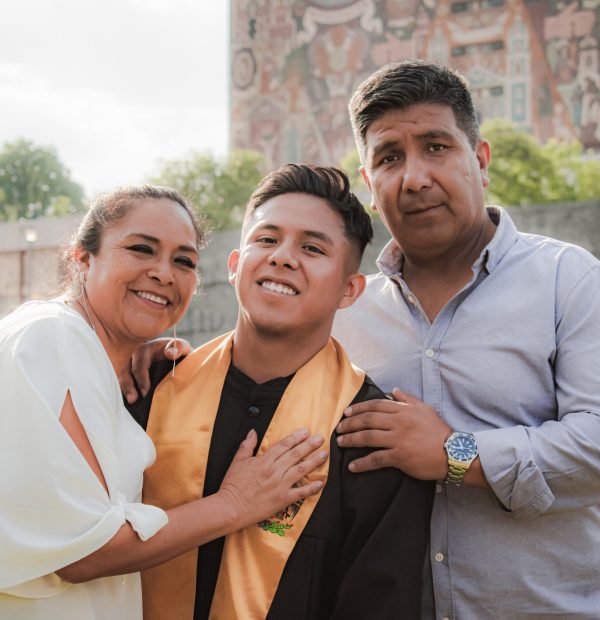
a family supporting their son that just graduated
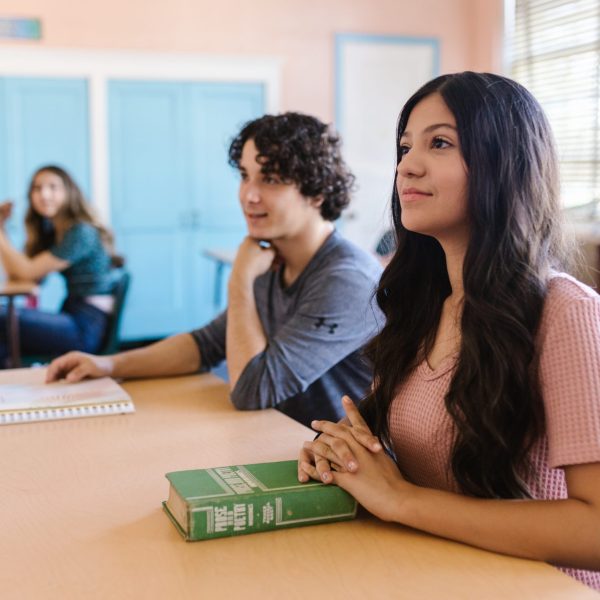
students listening to teacher at MIHC
 

HIGH SCHOOL: Beginning in 9th grade, ETW is embedded in the school day. Students learn how to navigate school, set goals, assess evidence, understand money and opportunity, explore possible futures, and make increasingly complex decisions. Innovative Learning Educators and paraprofessionals create a consistent space for reflection, practice, and action.
• Decision-making, self-knowledge, identity, and goal-setting
• Academic habits, school navigation, and help-seeking
• College, credential, career, and future-pathway exploration
• Financial understanding, affordability, and return on investment
• Real-world exposure through visits, speakers, projects, and experiences
• A living Plan A and Plan B that develops as students learn more

Senior Year: Turning Plans Into Action
Seniors receive practical, individualized support for the pathway they choose. College Access and Future Pathways coaches help students compare options, complete applications and financial-aid steps, connect with training and employment opportunities, and leave high school with a next-step plan they understand and own.

Future Pathways: Moving Toward a Strong Career
For students entering work, training, certification, apprenticeships, or other pathways, Future Pathways coaching provides planning, connection, and accountability. Students strengthen professional skills, evaluate opportunities, build networks, and take purposeful steps toward family-sustaining work and long-term growth.

College-level Support – 

College Success: Staying on Track
Support continues after high school. College Success Coaches help students navigate financial, academic, personal, and institutional challenges; connect to campus and community resources; pursue internships; and maintain momentum toward a valuable degree or credential.1:1 coaching with a trained College Success Coach

Access to professional experiences, including corporate internships

Career exploration and mentorship from professionals

Networking and leadership development events
Direct to on-campus resources
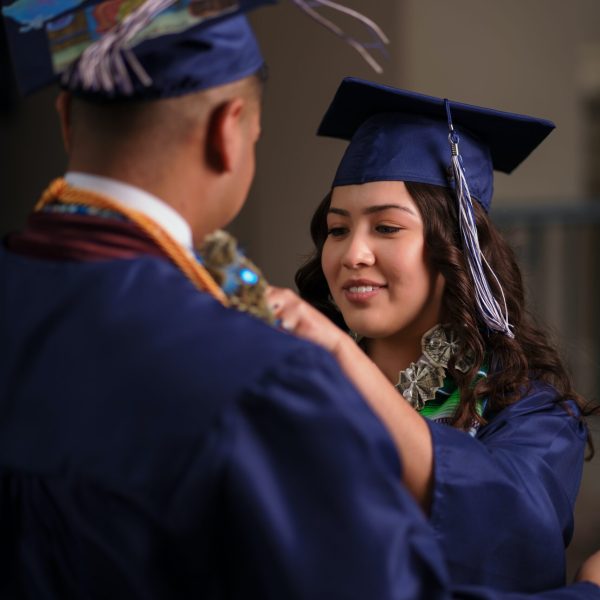
graduates
a teacher here to help


Early Career Support

1:1 coaching with a trained Career Coach

Professional and leadership development training

Career Planning

Industry-specific mentorship and career exploration

Collaboration & Learning

MiHC works with schools, colleges, employers, professional associations, and community organizations to align support around students, expand access to opportunity, and learn what helps young people make and carry out strong decisions. We use evidence and student experience to improve ETW as it grows.

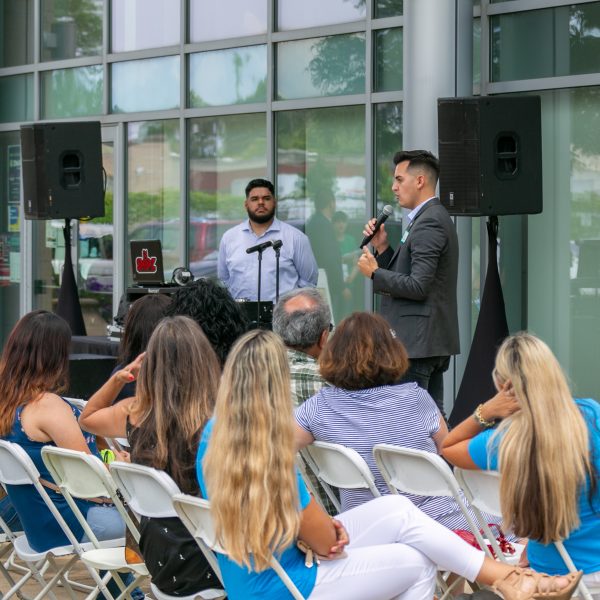
SW Detroit Community partners and parents

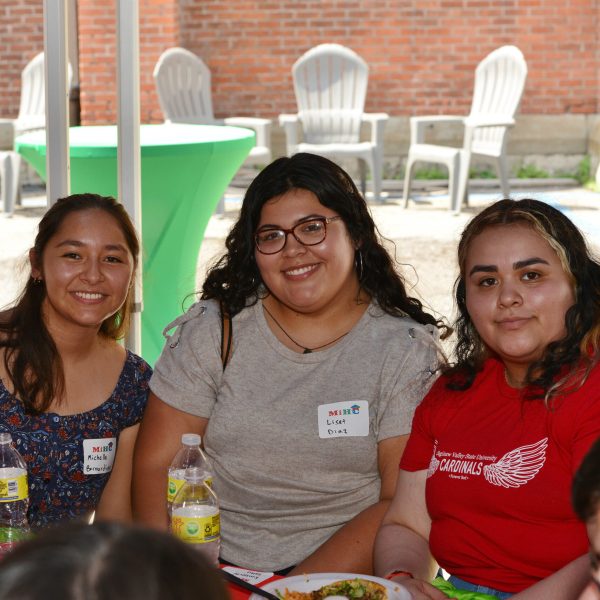
MIHC Students
MIHC Students

Student-Centered

The Human Infrastructure
ETW works because information alone is not enough. Students need trusted adults who know them, help them interpret choices, notice when a plan is drifting, connect them to resources, and stay engaged through the transition. Relationships are not an add-on to the model; they are how the model moves.

The Capitals Students Build
Economic mobility requires more than academic knowledge. ETW helps students build human capital through knowledge and skills; social capital through relationships and networks; navigational capital through understanding systems and their unwritten rules; cultural and identity capital through confidence in who they are; and financial capital through informed choices about cost, debt, earnings, and wealth-building.